![HITV APP Download [Apk] Latest Version [Unlimited Movies]](https://hitvofficial.com/wp-content/uploads/2024/06/cropped-HiTV-Official-3.png)
Common web hosting mistakes beginners make and how you can avoid them
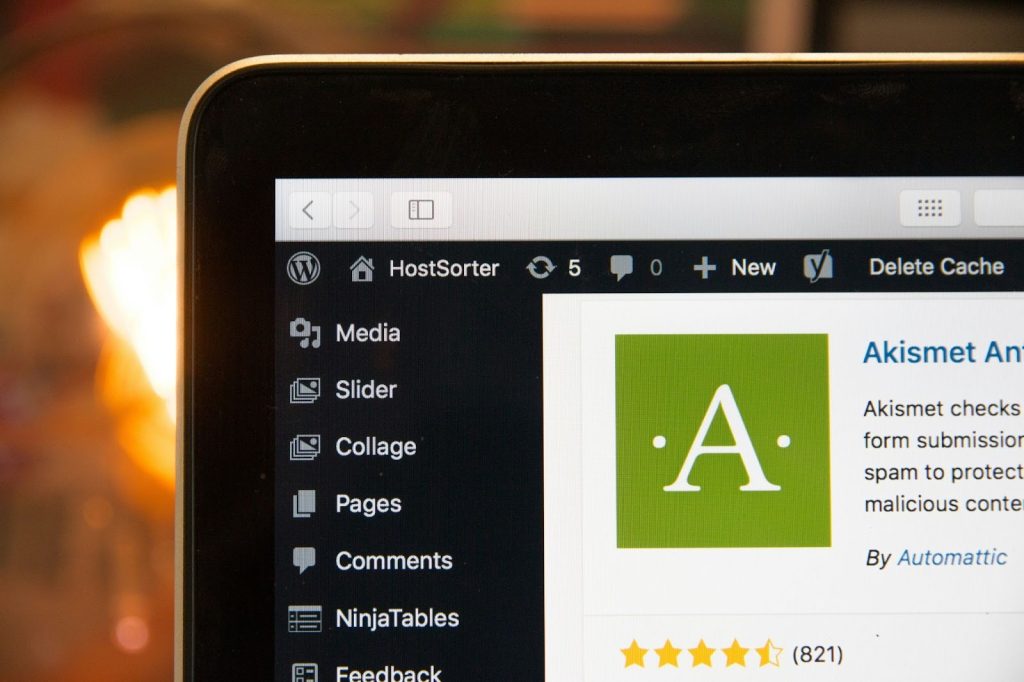
Starting a website can be exciting, but beginners often make mistakes that hurt performance, security, and long-term growth. Understanding common pitfalls can save time, money, and stress. Choosing the wrong hosting plan, neglecting backups, and overlooking security are frequent errors. This guide covers key mistakes and actionable ways to avoid them.
Choosing the wrong hosting provider
One of the biggest mistakes beginners make is picking a host based solely on price. Cheap hosting may seem attractive but often comes with slow servers, limited support, or poor uptime. Prioritize reliability, customer service, and scalability. Selecting the best web hosting for small business ensures your site runs smoothly and grows with your needs.
Ignoring website security
Beginners often overlook essential security measures. Using weak passwords, ignoring SSL certificates, or skipping regular updates can leave your website vulnerable to hacks. Enable two-factor authentication, update plugins, and install a firewall. Regular backups also protect against data loss and malware attacks. Investing time in security prevents costly future problems.
Not understanding hosting types
Many new website owners do not understand the differences between shared, VPS, and dedicated hosting. Shared hosting is affordable but may slow your website during high traffic. VPS provides more resources, while dedicated hosting offers maximum performance. Choose the right type based on your traffic expectations, technical skills, and budget. Learning hosting types helps avoid performance issues.
Overlooking small business needs
If you run a small business, hosting requirements differ from personal blogs. Beginners may pick plans that do not support e-commerce or email services. Evaluate features like storage, bandwidth, and SSL support. Opting for small business web hosting ensures your site handles customers efficiently and professionally.
Skipping performance optimization
Speed impacts both user experience and search engine rankings. Many beginners ignore caching, image compression, and content delivery networks. Slow websites frustrate visitors and reduce conversions. Implement performance enhancements, choose hosting with fast servers, and monitor website speed regularly to maintain optimal performance.
Failing to plan for growth
Websites often start small but can grow quickly. Beginners sometimes select plans without room to expand, causing downtime or the need to migrate later. Choose a host that offers scalable solutions and upgrade options. Planning for growth keeps your website stable and prepares it for increasing traffic and business needs.
Neglecting backups
Regular backups are essential but often ignored by beginners. Without backups, a simple error, hack, or plugin conflict can erase your website. Use automated backup solutions, store copies offsite, and test restores periodically. This habit ensures your content remains safe and easily recoverable.
Underestimating technical support
New website owners may assume hosting support is unnecessary. When problems arise, inadequate support can lead to long downtime. Look for hosting providers with 24/7 assistance, live chat, and fast response times. Reliable support saves time and reduces frustration during emergencies.
Focusing only on price
Price is important but should not be the only factor. Selecting the cheapest option can limit features, performance, and security. Balance affordability with quality. Consider long-term value, not just initial cost. For those seeking dependable solutions without overspending, affordable web hosting offers a practical balance of cost and performance.
Ignoring website analytics
Many beginners neglect analytics tools, missing opportunities to understand visitors, traffic sources, and user behavior. Installing tools like Google Analytics helps track performance, optimize content, and improve user experience. Monitoring analytics ensures your website grows strategically.
Poor domain management
New owners sometimes register domains without considering renewal schedules, privacy protection, or DNS settings. Losing a domain can disrupt branding and cause traffic loss. Choose reliable registrars, enable auto-renewal, and protect personal information. Good domain management safeguards your online presence.
Overloading plugins
Plugins add functionality but can slow websites or create conflicts. Beginners often install too many plugins without evaluating the necessity. Use essential plugins only, keep them updated, and remove unused ones. Optimizing plugin use improves speed and reduces security risks.
Conclusion
Avoiding these common mistakes helps beginners create a stable, secure, and high-performing website. Choose reliable hosting, plan for growth, implement security, and monitor performance. These steps provide a strong foundation for long-term success.
About the Author
Paul Wheeler is a web hosting expert with years of experience helping small businesses optimize websites, improve performance, and secure online operations efficiently.