![HITV APP Download [Apk] Latest Version [Unlimited Movies]](https://hitvofficial.com/wp-content/uploads/2024/06/cropped-HiTV-Official-3.png)
Eco-Friendly and Stylish The Rise of Sustainable WPC Flooring Options
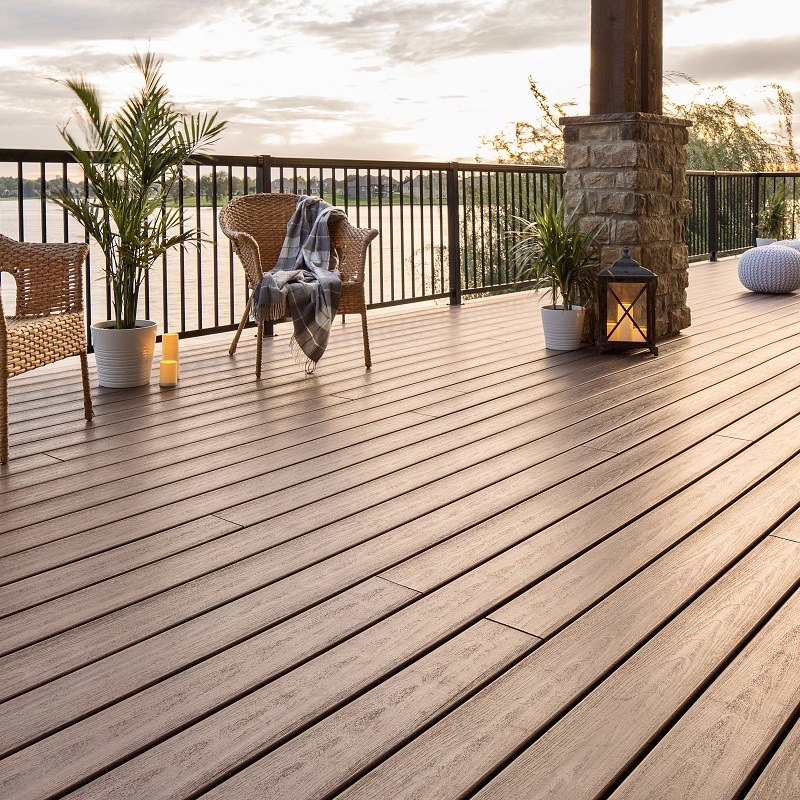
In recent years, the demand for environmentally friendly building materials has surged — and the flooring industry is no exception. As homeowners and commercial developers seek greener, healthier, and more sustainable interiors, Wood Plastic Composite (WPC) flooring has emerged as a standout choice. Combining eco-conscious design with modern functionality, WPC flooring offers a durable, stylish, and sustainable alternative to traditional flooring options.
What is WPC Flooring?
WPC stands for Wood Plastic Composite, a hybrid material made from a combination of wood fibers or wood flour and thermoplastic polymers, such as recycled PVC. This layered flooring solution typically features a waterproof core, a printed vinyl layer for aesthetics, and a protective wear layer for durability.
What sets WPC apart is its core structure, which offers both the strength of wood and the flexibility of plastic. It delivers a balance of luxury, performance, and sustainability that’s gaining traction in both residential and commercial spaces.
The Eco-Friendly Appeal of WPC Flooring
One of the biggest draws of WPC flooring today is its eco-friendliness. Here’s why:
Use of Recycled Materials
Many WPC flooring manufacturers incorporate recycled wood fibers and plastic in their production process, significantly reducing the demand for virgin resources. This not only conserves raw materials but also helps lower landfill waste.
Low VOC Emissions
Indoor air quality is a growing concern, especially in homes with children or pets. High-quality WPC flooring is often certified for low VOC (Volatile Organic Compound) emissions, meaning it releases fewer pollutants into the air, contributing to a healthier indoor environment.
Long Life Span = Less Waste
Thanks to its durability and resistance to wear, WPC flooring has a longer lifespan compared to many traditional flooring types. This longevity reduces the need for frequent replacements, translating to less waste and fewer resources used over time.
No Need for Harsh Chemicals
WPC flooring is easy to clean and maintain. It doesn’t require chemical-heavy cleaners or waxes, making it a more environmentally safe option throughout its lifecycle.
Stylish Designs Without Compromise
Sustainability doesn’t mean sacrificing style. In fact, WPC flooring is available in an impressive range of textures, colors, and finishes that mimic natural hardwood, stone, and tile — often indistinguishable from the real thing.
Whether you prefer the rustic warmth of oak, the sleek look of slate, or modern herringbone patterns, WPC flooring delivers on aesthetic versatility. Many manufacturers are now introducing design-forward collections that reflect the latest interior design trends while staying true to sustainable principles.
WPC Flooring in Modern Interiors
WPC flooring’s design flexibility and waterproof nature make it ideal for almost any setting:
- Kitchens & Bathrooms – Its water-resistant core makes it perfect for high-moisture areas.
- Living Rooms & Bedrooms – The realistic wood-like appearance adds warmth and comfort.
- Offices & Retail Spaces – Its durability and ease of maintenance are great for high-traffic zones.
Moreover, WPC flooring supports underfloor heating systems, making it an excellent choice for energy-efficient homes.
The Sustainability Certification Factor
When choosing WPC flooring, it’s important to look for third-party certifications that validate environmental claims. These include:
- FloorScore Certification – Ensures low VOC emissions.
- GreenGuard Certification – Verifies the product meets strict chemical emissions limits.
- LEED Credits – Certain WPC products contribute to points in the LEED (Leadership in Energy and Environmental Design) rating system.
Opting for certified products ensures that your flooring choices are truly eco-conscious and not just “greenwashed.”
The Future of WPC Flooring: Innovation Meets Responsibility
The future of WPC flooring looks bright, with technological innovations driving improvements in sustainability and performance. Some emerging trends include:
- Bio-based polymers replacing synthetic plastics
- Digital printing for highly realistic and customized looks
- Closed-loop recycling initiatives where old flooring is reused in new production
Manufacturers are also working to reduce carbon footprints by optimizing production processes and using renewable energy sources in manufacturing facilities.
Conclusion
As sustainability continues to shape consumer choices, WPC flooring stands out as a smart, stylish, and eco-friendly solution for modern interiors. It offers the perfect blend of performance, aesthetic appeal, and environmental responsibility — all without compromise.
Whether you’re renovating a home, outfitting a commercial space, or designing a high-end apartment, sustainable WPC flooring Abu Dhabi is a future-proof investment that aligns beauty with purpose. Choosing this flooring means not only enhancing your interior but also contributing to a healthier planet.