![HITV APP Download [Apk] Latest Version [Unlimited Movies]](https://hitvofficial.com/wp-content/uploads/2024/06/cropped-HiTV-Official-3.png)
Healthy Teeth Happier Life: Dental Care Advice for Adults
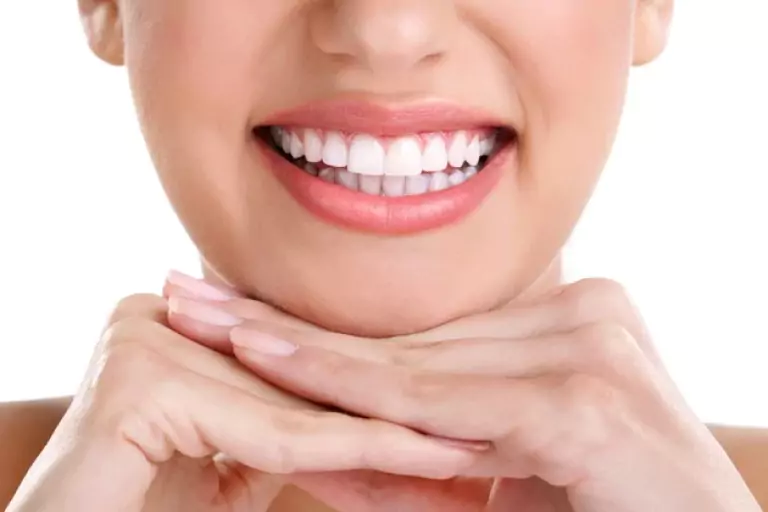
Good dental care is about more than a bright smile. Your oral health affects your confidence, comfort, heart, and mental health. Brushing and flossing are key, but a healthy smile requires a whole-life approach. To boost your well-being, longevity, and self-confidence, it’s time to prioritize your teeth. This guide covers how oral care impacts health, daily habits for strong teeth, and solutions for common dental issues.
The Importance of Regular Dental Checkups
Many adults wait until something hurts to see a dentist. But by that time, damage may already be done. Preventive dental visits do much more than just clean your teeth; they give your dentist a chance to spot hidden problems and keep your mouth and body healthier in the long run.
Checkups Are Your Front Line of Defense
Routine dental exams help detect tooth decay, gum disease, early signs of oral cancer, and other conditions that can start without obvious symptoms. Dentists use X-rays and thorough cleanings to find issues before they become bigger complications. The American Dental Association (ADA) recommends seeing your dentist at least twice a year, even if your teeth feel fine. Early detection means faster, less costly treatments and peace of mind.
How Dental Visits Support Your Overall Health
Oral health isn’t just about teeth and gums. Studies link gum disease (periodontitis) with diabetes, heart disease, and even Alzheimer’s. During your regular visits, dentists can spot warning signs linked to these conditions. They may even catch problems like vitamin deficiencies or certain infections simply by examining your mouth.
Effective Daily Oral Hygiene Practices
Daily habits play the biggest role in keeping your teeth and gums healthy. It’s about more than a quick brush each morning and night. Here’s how to build a solid routine that lasts.
Brushing The Right Way
The ADA suggests brushing at least twice a day using a soft-bristled toothbrush and fluoride toothpaste. Start by angling your brush at 45 degrees toward your gum line, using gentle circular motions. Don’t rush the process; spend two full minutes brushing your teeth, giving each surface attention. Replace your toothbrush every three months or when the bristles appear worn.
Flossing To Protect Gums
Flossing removes food and plaque from spots your toothbrush can’t reach. Once a day is best, sliding the floss gently up and down between each tooth and under the gumline. If you find regular floss hard to use, try dental picks or water flossers.
Mouthwash and Beyond
Antimicrobial mouthwashes can help cut down on plaque, bacteria, and gingivitis. While they’re not a substitute for brushing and flossing, they do add extra protection. For sensitive mouths, look for alcohol-free formulas with fluoride. Don’t forget to clean your tongue gently to keep your breath fresh and bacteria in check.
The Impact of Diet on Dental Health
What you eat has a big impact on how your teeth look and feel. Some foods feed the bacteria that cause tooth decay, while others help keep your teeth and gums happy.
Foods That Support Strong Teeth
- Dairy products (like cheese and yogurt) provide calcium and phosphorus for healthy enamel.
- Crunchy fruits and vegetables (apples, carrots, celery) help clean teeth and stimulate gum tissue.
- Nuts and lean proteins boost minerals your body uses to rebuild and maintain tissues.
Foods and Habits to Limit
- Sugary foods and drinks are the top culprits for cavities. Sticky snacks and sodas feed bacteria, causing them to produce acids that weaken enamel.
- Acidic foods (citrus, vinegars, wine) can erode tooth surfaces over time.
- Snacking between meals increases the time your teeth are exposed to decay-causing sugars.
Sip water throughout the day, and try to rinse or brush shortly after meals with lots of sugar or acid.
Addressing Common Adult Dental Issues
Even with good habits, adults face unique dental challenges. Understanding these potential hurdles is your first step to maintaining a healthy, confident smile.
Tooth Sensitivity
Many adults develop sensitivity to hot, cold, or sweet foods. This often results from worn enamel or exposed tooth roots. Special toothpastes, fluoride treatments, and avoiding overly abrasive brushing can make a big difference.
Gum Disease
Gum health isn’t just about a pretty smile. Early gum disease (gingivitis) can cause swelling and bleeding, while advanced gum disease (periodontitis) can lead to tooth loss and affect your overall health. Flossing, cleanings, and prompt treatment are key to keeping gums healthy.
Tooth Decay and Cavities
Cavities remain common in adulthood, especially around old fillings or at the gumline. Don’t skip regular dental X-rays, which can reveal problems early before they become painful.
Bruxism and Jaw Pain
Stress, sleep issues, or misaligned teeth may cause teeth grinding (bruxism), which wears down enamel and can trigger headaches. Dentists can fit you with night guards or suggest ways to reduce stress that impacts your jaw.
Oral Cancer
Adults should be aware of oral cancer risks. Mouth sores or lumps, persistent pain, or difficulty swallowing call for prompt dental evaluation. Early detection significantly improves outcomes.
Cosmetic Dentistry Options for a Confident Smile
A healthy mouth boosts self-esteem, but sometimes adults want extra help achieving their dream smile. Cosmetic dentistry can provide a powerful confidence lift, whether you’re looking to brighten your teeth, straighten them, or replace missing teeth.
- Professional Whitening brightens stained or discolored teeth quickly.
- Veneers mask chipped, stained, or slightly misaligned teeth.
- Dentures, like those offered in Woodbury, MN, remain a viable option for extensive tooth loss, and modern materials make them more comfortable and natural-looking than in the past.
- Clear Aligners and Braces straighten alignment issues, often faster and more discreetly than traditional braces.
- Dental Implants offer a long-lasting solution for missing teeth.
When considering cosmetic procedures, consult a dentist who can recommend the safest, most effective options for your goals.
Conclusion
Bright, healthy teeth do more than help you eat and speak. They support your self-confidence, social interactions, and even your heart health. By making regular dental visits, practicing solid daily hygiene, eating wisely, and managing common issues promptly, you set yourself up for a lifetime of healthier smiles.