![HITV APP Download [Apk] Latest Version [Unlimited Movies]](https://hitvofficial.com/wp-content/uploads/2024/06/cropped-HiTV-Official-3.png)
How Free iPhone Offers Through Support Programs Serve Different Paths to Digital Access
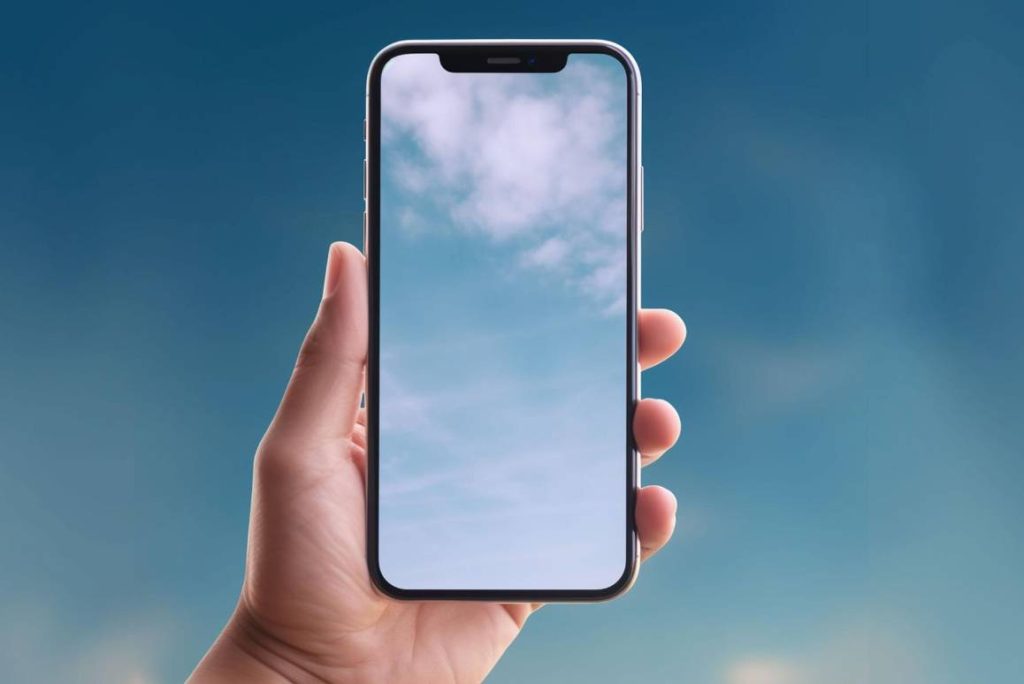
Today, people rely on mobile devices not only for calls, but for identity verification, health portals, and time-sensitive government notices. In this reality, access is no longer a single standard. Different users need different levels of reliability, security, usability, and the device in their hand can decide whether they can fully participate or remain just outside the system.
1. Why is Digital Access No Longer About a Single Device Standard?
Early connectivity efforts focused on minimum access. If someone could make a call, receive a text, and connect occasionally, the gap seemed smaller. However, modern digital life is layered. A phone is now the key to apps, authentication, video support, and secure messaging. Many services require two-factor logins, app-based confirmations, or stable performance for forms and uploads.
This shift matters because it changes what usable means. In practice, a device that struggles with storage, battery life, outdated software, or app compatibility can turn everyday tasks into repeated failures. People may still appear connected, but their access is fragile, limited to the simplest functions, while the systems around them demand more.
2. Free iPhone 11 – Access to the Full Digital Experience
This is where higher-capability devices can play a practical role in digital inclusion. A free iPhone 11, for example, may help users participate in digital environments that require stronger security and smoother app performance.
Rather than focusing on technical specifications, it is more useful to understand what this type of device supports in daily life:
- Longer software support, reducing app compatibility problems over time
- Strong built-in security, useful for protected logins and verification
- Stable video calling, which helps with telehealth and remote services
- A broad app ecosystem, widely used by employers, schools, and agencies
Importantly, device needs are not identical for everyone. Some users may do their best with a free iPhone option, while others may prefer a different smartphone model depending on comfort, accessibility, and daily routines.
Digital inclusion improves when people can choose a device that fits how they live rather than being forced into a single baseline solution.
3. Choosing the Right Device Is Choosing the Right Experience
Digital access becomes more meaningful when it is flexible. For some, a reliable entry-level smartphone may be enough to stay informed and reachable.
For others especially those navigating work portals, health systems, or school platforms, higher performance and longer software support can be the difference between “having access” and “having reliable access.”
This is why multiple iPhone options (including models like the iPhone 11) are often discussed in the context of support programs: not as luxury upgrades, but as practical tools for a world that increasingly assumes a certain level of device capability.
When users can choose between different device tiers, the overall system becomes more equitable, because access is matched to real needs, not a one-size-fits-all assumption.
4. How Lifeline Helps Make Digital Access More Affordable?
The federal Lifeline program was created to reduce barriers by supporting eligible low-income individuals and households with discounted communication services.
The purpose is straightforward: help people maintain connectivity so they can participate in daily systems that increasingly rely on digital channels.
Lifeline is best understood as an access foundation. It supports communication stability, and in some cases may be paired with device opportunities through participating providers.
5. The Role of Providers Like AirTalk Wireless and How to Apply
Once the Lifeline framework is understood, the next step is recognizing that participation happens through approved providers.
Some providers support users by offering service plans designed around everyday digital needs and, where available, device options that expand what users can do online.
One example is AirTalk Wireless, who participates in Lifeline and helps eligible users access supported connectivity solutions.
Application processes can vary slightly by provider and state, but the overall flow is typically simple:
- Confirm eligibility (through income or qualifying programs)
- Submit an online application
- Verify identity as required
- Select available service/device options after approval.
Users should prepare basic information and respond to verification steps promptly to avoid delays.
It is also worth noting that digital access is not only about phones. Some households need tools for school and work that are difficult to manage on a small screen.
In those cases, options like a free tablet or laptop can support learning, applications, and document-based tasks that are harder to complete on a smartphone.
Some people need basic communication; others need stable, secure access to the full ecosystem of digital services. Support programs like Lifeline help reduce affordability barriers, while participating providers help translate that support into practical options.
In the long run, access becomes more equitable when people are not simply connected but equipped to use that connection reliably in the places that matter most.