![HITV APP Download [Apk] Latest Version [Unlimited Movies]](https://hitvofficial.com/wp-content/uploads/2024/06/cropped-HiTV-Official-3.png)
How Screening Buckets Improve Material Quality for Backfill and Road Base
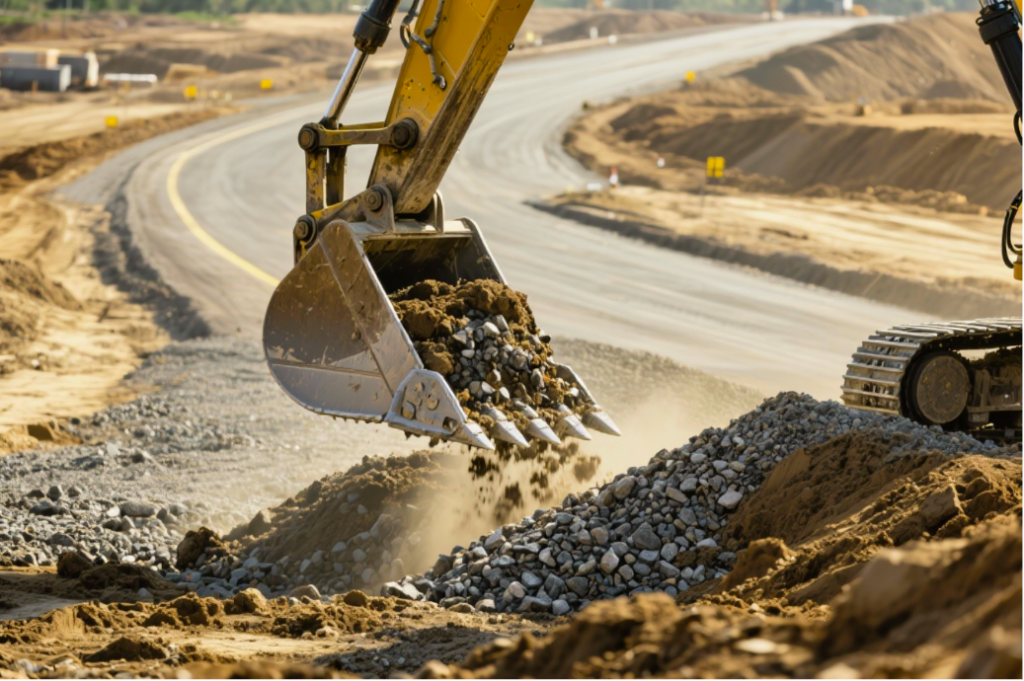
Material quality plays a critical role in the long-term performance of construction projects, especially when it comes to backfill and road base. Poorly graded material can lead to settlement, drainage issues, and premature failure of roads, trenches, and foundations. This is where modern Bucket Crushers & Screens make a significant difference, allowing contractors to process and refine material directly on the job site with precision and efficiency.
By using screening buckets, contractors can transform mixed or inconsistent material into high-quality backfill and road base, while reducing costs, waste, and reliance on external aggregate suppliers. In this article, we explore how screening buckets improve material quality, why they are increasingly used on construction sites, and how they support better project outcomes.
What Are Screening Buckets?
A screening bucket is an excavator-mounted attachment designed to separate materials by size. It uses interchangeable screening meshes or rotors to sort soil, aggregate, crushed concrete, and other materials into consistent, usable fractions.
An excavator mounted screening bucket turns a standard excavator into a mobile screening unit. Instead of transporting material off-site for processing, contractors can screen material where it is excavated or demolished.
Typical materials processed with screening buckets:
- Soil and topsoil
- Sand and gravel
- Crushed concrete and asphalt
- Mixed demolition debris
- Backfill material
Why Material Quality Matters for Backfill and Road Base
Backfill and road base are structural elements. If the material is inconsistent or contaminated, it can compromise the entire project.
High-quality backfill and road base require:
- Uniform particle size
- Proper compaction characteristics
- Good drainage properties
- Minimal oversized material or debris
Using screening buckets for backfill ensures that only suitable material is placed back into trenches, foundations, or road layers, improving stability and longevity.
How Screening Buckets Improve Material Quality
1. Consistent Material Gradation
One of the biggest advantages of screening buckets is consistent size separation. Oversized rocks, debris, and clumps are removed, leaving evenly graded material that compacts better and performs more reliably.
For contractors producing screening buckets for road base, consistent gradation is essential to meet engineering specifications and prevent weak spots in the road structure.
2. Removal of Contaminants
Excavated material often contains unwanted elements such as:
- Roots
- Wood
- Construction debris
- Large stones
- Clay clumps
Through material separation with screening buckets, these contaminants are removed before the material is reused. Cleaner material leads to better compaction, reduced settlement, and improved drainage.
3. Improved Compaction Performance
Well-screened material compacts more evenly. This is especially important in trench backfill for utilities, pipelines, and foundations.
Poorly graded material can create voids that later collapse. Using screening buckets for backfill reduces this risk and helps contractors meet compaction standards more consistently.
On-Site Processing Advantages
Reduced Material Handling
With soil and aggregate screening equipment mounted directly on an excavator, material can be processed in a single handling step. This eliminates multiple loading and unloading cycles, saving time and reducing fuel consumption.
Screened material can be immediately reused, whether for trench backfill, subbase, or temporary access roads.
Lower Material Costs
Screening buckets allow contractors to reuse existing material instead of importing new aggregates. This significantly reduces:
- Purchase costs
- Transportation costs
- Disposal fees
For projects with large volumes of excavated soil, this can translate into substantial savings.
Faster Project Completion
By screening material on-site, contractors avoid delays associated with:
- Waiting for aggregate deliveries
- Hauling material to off-site processing facilities
- Managing multiple suppliers
This efficiency is especially valuable on time-sensitive infrastructure and utility projects.
Screening Buckets in Road Base Applications
Road base requires uniform, well-draining material capable of distributing loads evenly.
Using screening buckets for road base allows contractors to:
- Produce consistent subbase material
- Remove oversized or unsuitable particles
- Adjust mesh sizes based on specifications
- Reprocess material as needed
This flexibility ensures that road base meets project requirements without overprocessing or unnecessary waste.
Screening Buckets for Utility and Trenching Projects
Utility contractors frequently work in confined spaces and urban environments where efficiency is critical.
An excavator mounted screening bucket allows trench material to be screened immediately after excavation. Suitable material is reused as backfill, while unsuitable material is separated and removed.
This approach:
- Reduces truck movements
- Improves site safety
- Minimizes disruption in urban areas
- Ensures consistent trench performance
Environmental and Sustainability Benefits
Sustainability is a growing priority in construction.
Screening buckets support environmentally responsible practices by:
- Reducing landfill waste
- Minimizing aggregate extraction
- Lowering fuel consumption
- Cutting emissions from transportation
Using improving material quality on construction sites through on-site screening aligns with modern sustainability standards and regulatory expectations.
Maintenance and Operational Simplicity
Screening buckets are designed for durability and ease of use.
Key operational benefits include:
- Simple attachment to excavators
- Easy mesh or rotor changes
- Minimal training required
- Low maintenance demands
For contractors without specialized processing crews, this simplicity is a major advantage.
When Screening Buckets Are the Best Choice
Screening buckets are particularly effective when:
- Projects generate reusable excavated material
- Space is limited
- Material quality is critical
- Costs must be controlled
- Sustainability goals are prioritized
They are an ideal solution for contractors who want reliable soil and aggregate screening equipment without investing in standalone screening plants.
Conclusion: Better Material, Better Results
High-quality backfill and road base are essential for durable, long-lasting construction projects. Screening buckets provide contractors with the ability to control material quality directly on-site, improving performance while reducing costs and waste.
By using material separation with screening buckets, contractors achieve consistent gradation, cleaner material, and better compaction outcomes. For modern construction sites focused on efficiency, sustainability, and quality, screening buckets are no longer optional – they are a strategic advantage.