![HITV APP Download [Apk] Latest Version [Unlimited Movies]](https://hitvofficial.com/wp-content/uploads/2024/06/cropped-HiTV-Official-3.png)
Security Architecture in Marketplace Applications
Marketplace applications have become a central component of modern digital business models. They enable companies to connect buyers and sellers, manage transactions, and scale operations across multiple devices and platforms. As businesses expand their digital ecosystems, marketplace platforms increasingly serve as critical infrastructure for customer engagement, service delivery, and revenue generation. This growth creates new opportunities but also introduces a broader security landscape that must be managed from the earliest stages of development.
The structure of a marketplace application is inherently complex. User interfaces, payment systems, databases, communication channels, and third-party integrations must work together seamlessly. Each layer introduces potential vulnerabilities that can affect data integrity, privacy, and platform trust. Security therefore cannot be treated as a separate feature added after deployment. It must be embedded within the application’s architecture from the beginning. This approach is increasingly reflected in modern product strategies, including those adopted by teams specializing in mobile app development https://looksgreat.studio/services/mobile-app-dev/, where security considerations are integrated into the broader framework of scalable application design.
Marketplace applications process a wide range of sensitive information. User identities, payment credentials, personal addresses, communication histories, and transaction records all represent valuable data assets. Unlike many traditional applications, marketplaces manage information belonging to multiple parties simultaneously. A single transaction may involve buyers, sellers, payment providers, logistics services, and platform administrators. This interconnected environment increases the importance of data segmentation, controlled access policies, and continuous monitoring. Effective security architecture ensures that each participant can access only the information necessary for their specific role.
Data leaks in marketplace platforms commonly originate from three structural weak points. The first involves authentication systems. Weak password policies, insecure session management, or poorly configured access controls can create opportunities for unauthorized account access. The second vulnerability emerges within application programming interfaces and third-party integrations. APIs often exchange large volumes of data between systems, and inadequate validation mechanisms can expose sensitive information. The third weak point is database configuration. Improper encryption practices, excessive permissions, or insufficient monitoring may allow attackers to access stored records even when other security layers remain intact.
The security requirements imposed by major mobile ecosystems significantly influence marketplace application design. Both the Google Play Store and Apple’s App Store establish standards for privacy protection, data handling, authentication, and user consent. Applications that fail to comply with these requirements may face distribution restrictions or removal from the platform. Beyond compliance, these ecosystems encourage developers to adopt stronger security practices such as encrypted data transmission, secure credential storage, and transparent permission management. As a result, marketplace platforms increasingly align their architecture with established security frameworks that support long-term platform reliability.
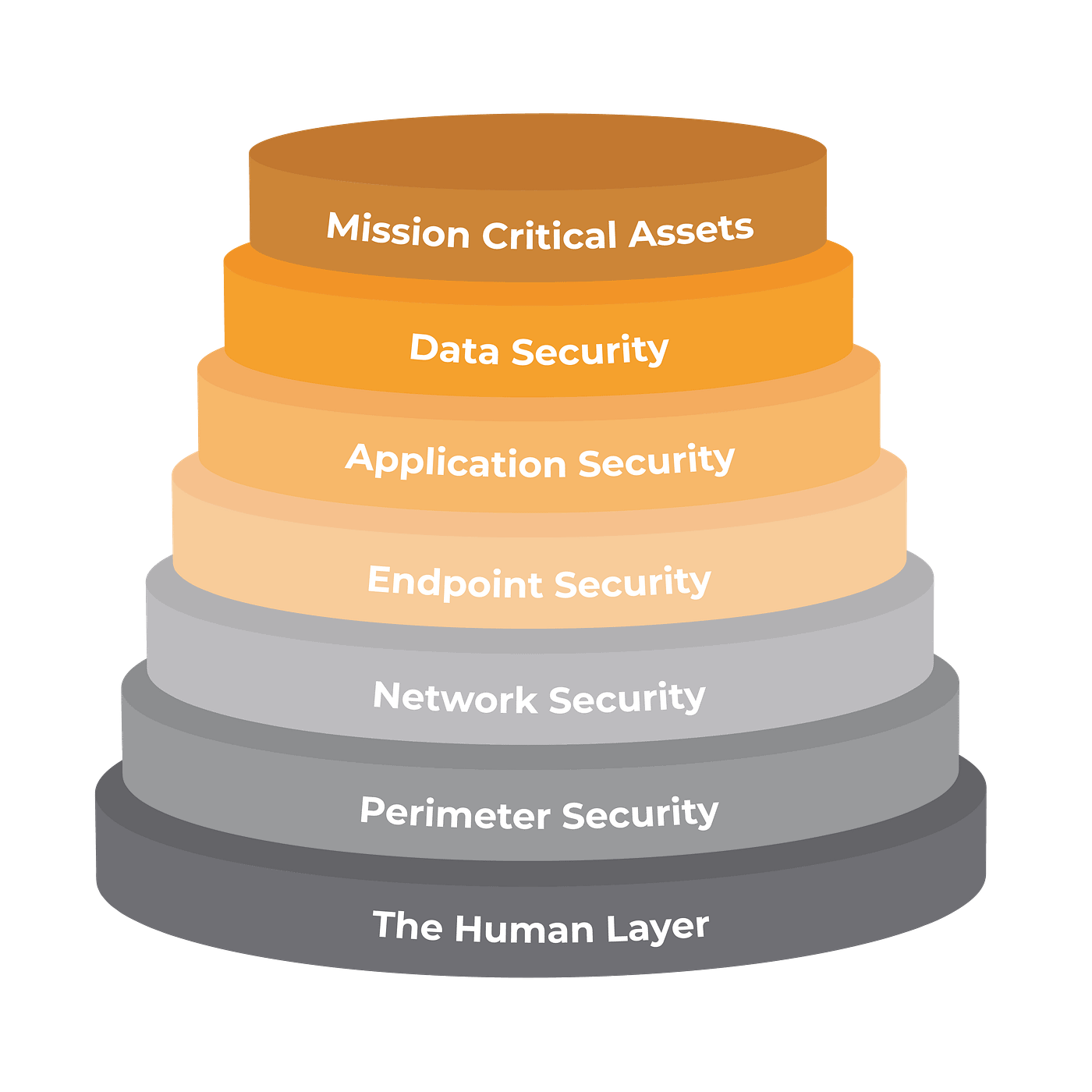
A sustainable security strategy extends beyond individual safeguards. Security logic should be embedded directly into the structural design of the application. Role-based access control can limit data exposure by defining clear permission boundaries. Data encryption should operate across storage and transmission layers rather than relying on isolated protection mechanisms. Continuous validation processes can verify requests before sensitive operations are executed. Security-focused logging systems allow unusual behaviour to be detected early, reducing the likelihood of large-scale breaches. When these measures are incorporated into the architecture itself, vulnerabilities become significantly harder to exploit.
Several practical design principles help strengthen security at the architectural level:
- Separate user data into isolated access domains.
- Apply encryption to both stored and transmitted information.
- Implement multi-factor authentication for critical actions.
- Restrict administrative privileges according to operational needs.
- Monitor API activity for abnormal patterns and unauthorized requests.
- Maintain detailed audit trails for sensitive transactions.
- Regularly evaluate third-party services connected to the platform.
These principles become particularly valuable as marketplaces scale. Increased transaction volume, larger user communities, and expanding feature sets naturally increase system complexity. Without a structured security framework, growth can amplify existing weaknesses. Architectural security planning helps ensure that expansion does not compromise user trust or operational stability.
The role of a mobile app development company has also evolved in response to these challenges. Security is no longer viewed as a technical requirement handled by isolated teams. Instead, it functions as a product-level consideration that influences user experience, platform governance, and business continuity. Decisions related to infrastructure, permissions, data flows, and integrations collectively shape the overall resilience of the application. Similarly, modern mobile app development practices increasingly emphasize proactive risk reduction through design rather than reactive protection after deployment.
Security architecture ultimately serves as the foundation upon which marketplace platforms build long-term reliability. Effective protection emerges not from a single tool or protocol but from the way security principles are woven into the application’s structure. When privacy controls, access management, encryption, and monitoring mechanisms are treated as architectural components, marketplace applications become better equipped to support growth while preserving the integrity of user data and platform operations.