![HITV APP Download [Apk] Latest Version [Unlimited Movies]](https://hitvofficial.com/wp-content/uploads/2024/06/cropped-HiTV-Official-3.png)
The Rise of Digital Cockpits in Modern Vehicles
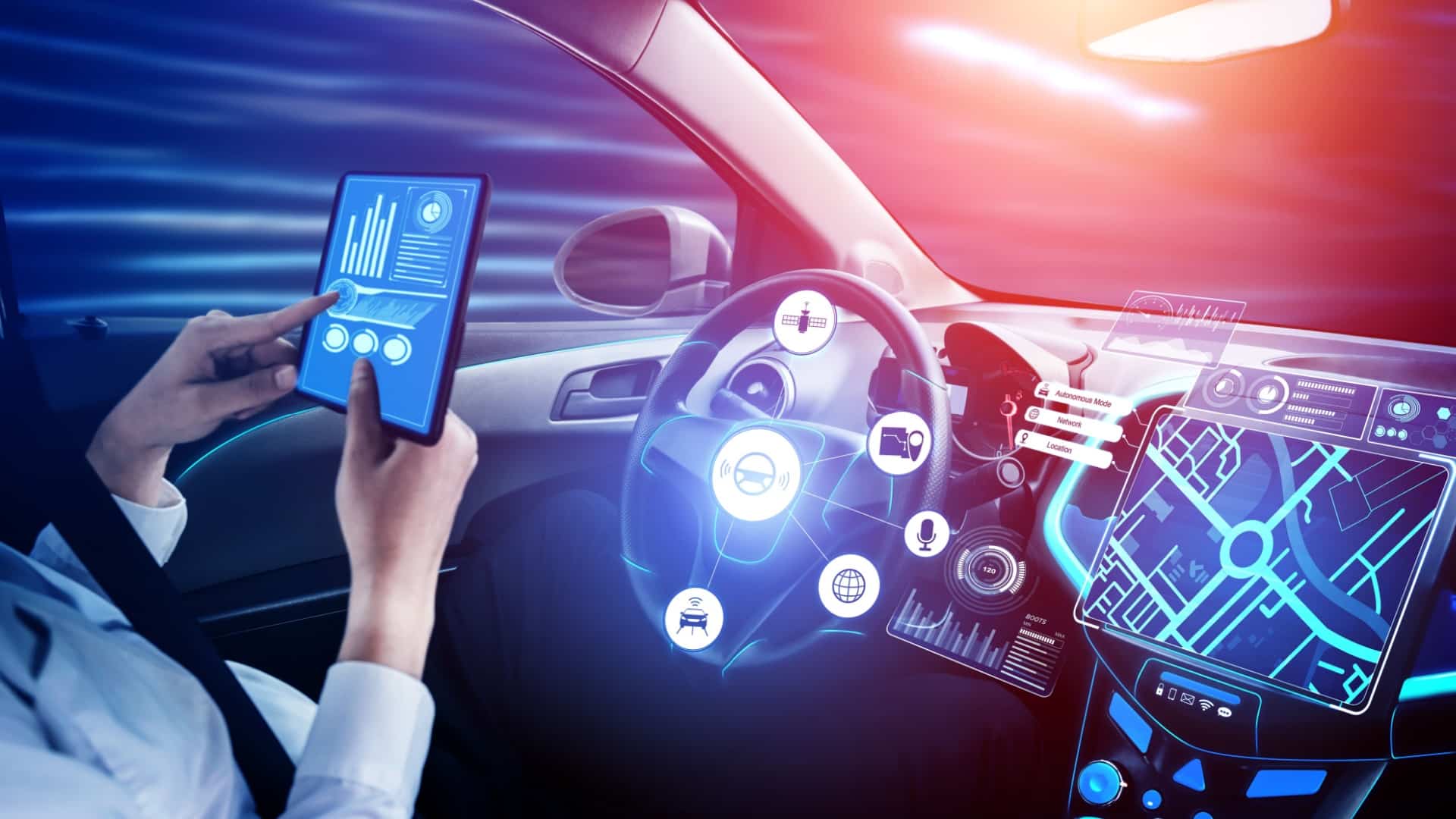
The automotive industry is evolving faster than ever. Vehicles are no longer just machines for transportation. They are becoming smart, connected systems designed to enhance safety, comfort, and user experience. One of the biggest innovations driving this change is the digital cockpit.
What Is a Digital Cockpit?
A digital cockpit replaces traditional analog dashboards with fully integrated digital displays. It combines the instrument cluster, infotainment system, navigation, and driver assistance information into a unified interface.
Instead of separate physical controls and gauges, drivers interact with high-resolution screens, touch panels, voice assistants, and even gesture controls.
Why Digital Cockpits Matter
Modern drivers expect the same smooth experience in their vehicles that they get from smartphones and tablets. Digital cockpits provide:
- Real-time navigation updates
- Customizable displays
- Advanced driver assistance visuals
- Seamless smartphone integration
- Improved safety alerts
To build these complex systems, automakers rely on specialized digital cockpit engineering services that combine hardware, software, and user interface expertise.
Key Technologies Behind Digital Cockpits
Several advanced technologies power today’s in-vehicle systems:
1. High-Performance Processors
Capable of handling multiple displays and real-time data processing.
2. Embedded Software Platforms
Support infotainment, connectivity, and safety systems.
3. Human-Machine Interface Design
Ensures drivers can access information safely and easily.
4. Connectivity Solutions
Enable cloud integration, over-the-air updates, and smart features.
Professional digital cockpit engineering services focus on integrating all these elements into a reliable and scalable solution.
Challenges in Development
Designing a digital cockpit is not simple. Engineers must ensure:
- System reliability in extreme conditions
- Cybersecurity protection
- Low latency performance
- Compliance with automotive safety standards
Balancing innovation with safety is critical in automotive design.
The Future of In-Car Experience
As electric and autonomous vehicles become more common, digital cockpits will play an even larger role. Expect more personalized interfaces, AI-driven assistance, and immersive displays that transform the driving experience.
Companies that invest in advanced engineering solutions today are shaping the vehicles of tomorrow.