![HITV APP Download [Apk] Latest Version [Unlimited Movies]](https://hitvofficial.com/wp-content/uploads/2024/06/cropped-HiTV-Official-3.png)
Top 5 Red Fruited Apple Trees for Colour and Flavour, Insights From a British Orchard Specialist
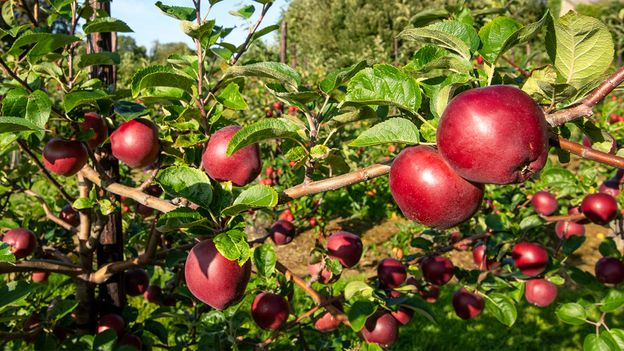
Red-fruited apple trees earn their place in a garden for practical reasons as much as visual ones. They do not simply provide a harvest. They shape the look of a space from blossom through to autumn, help mark the seasons clearly, and suit both traditional orchards and smaller domestic gardens. In Britain, where many gardeners want one tree to do more than one job, apples with notably red skin offer a useful combination of reliable cropping, familiar flavour, and strong ornamental value.
Colour matters more than many buyers first expect. In mixed planting, red apples stand out clearly against green foliage and shortening autumn light. That makes them especially effective near patios, along fences, or in kitchen gardens where a tree is expected to contribute to the overall character of the plot. Red-fruited varieties also tend to be the kinds people recognise most readily, which can make them a sensible choice for households that want fruit for eating fresh, cooking, juicing, or sharing.
The fruit trees specialists at Fruit-Trees nursery advise buyers to think first about regional suitability, pollination group, and rootstock rather than appearance alone. A handsome tree will only justify its space if it crops well and stays manageable for the site. For gardeners planning to buy red fruited apple trees, their advice is to match the tree to soil, space, and intended use before deciding on the deepest colour or the best-known variety.
This is where a British approach differs slightly from a catalogue-first approach. Our weather is variable, late frosts still matter, and many gardens are smaller than buyers would like. The best red-fruited apple tree is rarely the most famous one in the abstract. It is the one that will flower well in your conditions, avoid disease problems where possible, and produce fruit you will actually use. With that in mind, five varieties stand out for combining strong red colouring with worthwhile flavour and dependable garden performance.
Discovery: The Early Red Apple That Earns Its Keep
Discovery has long been one of the most practical red apples for British growers, especially for anyone who wants a garden tree with a clear seasonal role. It is an early variety, usually ready from late August into early September depending on region and weather, and that alone gives it an advantage. Many apples are chosen with autumn in mind, but Discovery starts the season earlier, bringing colour and usable fruit when most later varieties are still hard and underdeveloped.
Its appearance is one of its strongest points. The fruit develops an attractive red flush, often deepening to an almost solid red in a favourable year, particularly when the tree has enough light and the crop is not overcrowded. On a well-shaped tree, that colour arrives while the rest of the garden is still active, giving Discovery a useful decorative role that bridges summer and autumn rather than waiting for the end of the season.
Flavour is equally important. Discovery is known for a crisp, juicy texture and a fresh, slightly sweet taste with enough acidity to keep it lively. Eaten straight from the tree, it can be excellent. It is not a long keeper and should not be treated as a storage apple, but that is part of its appeal. It performs as an immediate-use fruit: good for lunchboxes, easy family picking, and early kitchen use. In a domestic setting, that often matters more than long storage potential.
From a cultivation point of view, Discovery suits Britain well. It is generally regarded as reliable, reasonably hardy, and adaptable to many garden situations. On a suitable rootstock it can be grown as a bush, half-standard, cordon, or espalier, which helps it fit both formal and informal spaces. It also works well for those starting an orchard because it gives visible results fairly quickly and encourages confidence. If a gardener wants one red-fruited tree that delivers colour, recognisable apples, and an early reward, Discovery is difficult to ignore.
Katy: Bright Colour, Clean Taste, and Strong Garden Appeal
Katy is often recommended as a modern alternative for gardeners who want an attractive, straightforward apple that performs well in British conditions. It does not always receive the same attention as some older heritage names, yet it is one of the strongest all-round choices for gardens where ease, colour, and pleasant flavour matter more than novelty. Its fruit is typically bright red with a lively finish that catches the eye well, particularly on trees planted in open, sunny positions.
One reason Katy deserves more notice is consistency. In home growing, consistency is often more valuable than prestige. A tree that crops regularly, colours up well, and produces fruit that most people enjoy without argument is usually more useful than one that sounds impressive but behaves unpredictably. Katy generally falls into the dependable category. It has a neat, appealing look on the tree and a taste that suits broad household use.
The eating quality is refreshing rather than heavy. Katy tends to be juicy, crisp, and clean-flavoured, with enough sweetness for fresh eating and enough sharpness to avoid blandness. For many British gardeners, this makes it the sort of apple that disappears quickly from the kitchen counter. It is particularly effective as a family tree because the flavour is accessible without being dull, and the size and colour of the fruit make it inviting to pick.
In design terms, Katy works well where a tree needs to contribute visually to a modest garden. Red apples can sometimes seem lost if the fruit is sparse or the canopy is awkward, but Katy usually gives a satisfying display if managed sensibly with light pruning and thinning where needed. It also fits well in trained forms, making it suitable for smaller sites where space must be used carefully. For gardeners who want a red-fruited tree that feels uncomplicated in the best sense, Katy has real value. It offers a good balance of ornamental appeal and practical harvest without demanding specialist handling or a large orchard setting.
Worcester Pearmain: A Traditional Choice With Distinctive Character
Worcester Pearmain remains one of the classic red apples for British gardens and small orchards, and it still earns respect because it offers more than nostalgia. It carries a traditional orchard character that appeals to gardeners who want a tree with history, but it also succeeds on practical terms. The fruit is usually handsome, with a rich red flush that can cover much of the skin, and it hangs attractively enough to justify planting the tree where it can be seen.
Its flavour is distinctive. Worcester Pearmain is often valued for its aromatic sweetness and strawberry-like note, which sets it apart from more ordinary early dessert apples. That feature gives it identity at a time when many people want fruit trees that offer something recognisably different from supermarket produce. A home-grown apple should feel specific to the garden, and Worcester Pearmain often does. It has personality without becoming difficult or obscure.
As a garden tree, it suits a range of British conditions, though it performs best with decent light and sensible pruning that maintains airflow and fruiting wood. It can be a rewarding choice in traditional settings, cottage-style gardens, or mixed orchards where the owner wants a sequence of different flavours across the season. Because it crops relatively early, it also helps spread the harvest rather than pushing all picking into a short autumn window.
There is another reason this variety remains relevant. Red-fruited apples are often chosen for appearance first, but Worcester Pearmain reminds growers that colour and flavour can be tied closely together. The fruit looks the part and also tastes like a proper garden apple rather than a decorative extra. For buyers who want a tree with a stronger sense of heritage, it makes a sound candidate.
It is particularly useful for gardeners who are selective about the fruit they eat fresh. Some red apples offer strong appearance but a flavour that feels too general. Worcester Pearmain has a clearer profile, and that can make it more memorable. In a domestic orchard planned with care, it brings a touch of older British apple culture while still fitting neatly into present-day expectations of yield, beauty, and usability.
Red Falstaff: Reliable Cropping for Modern Gardeners
Red Falstaff is one of the most practical choices for gardeners who want a dependable red apple tree without too much complication. Falstaff in its broader form is already well regarded in Britain for cropping reliability and general usefulness, and the red-fruited strain adds stronger visual appeal while keeping that dependable character. For many domestic growers, that makes it one of the most sensible options available.
The fruit is attractive in a clean, orderly way rather than a dramatic one. Its red colouring is usually even and appealing, often with enough depth to make the crop stand out clearly in autumn. In gardens where the tree is expected to look tidy and productive rather than purely ornamental, Red Falstaff performs well. It suits the kind of British plot where space is limited, results matter, and the owner wants a tree that feels worth the maintenance.
Flavour is one of its strengths. Red Falstaff is generally crisp, sweet, and easy to like, with enough freshness to keep it from seeming flat. It is not a showy specialist apple, but it is a good household apple, and that is often more important. Trees that produce fruit the whole family will eat are more valuable than those admired only in theory. It also stores better than many earlier varieties, so it can bridge the gap between immediate harvest and short-term household keeping.
This variety is especially attractive to newer fruit growers because it tends to be forgiving. Where some apples need close attention to fruit thinning, disease pressure, or exact siting, Red Falstaff is often viewed as a solid performer that rewards ordinary good care. That does not remove the need for correct rootstock choice, pollination planning, or pruning, but it reduces the risk of disappointment.
For gardens aiming at both productivity and appearance, Red Falstaff deserves serious attention. It offers the kind of red fruit most people want to see on an apple tree and the kind of flavour that encourages repeat planting. A modern British gardener may not always want romance from a fruit tree. Quite often, they want something that crops well, tastes good, looks right, and does not become a constant problem. Red Falstaff meets that brief better than many.
Herefordshire Russet Red and the Case for Richer, Less Obvious Colour
Not every worthwhile red-fruited apple needs to fit the polished, familiar pattern of supermarket-style dessert fruit. Some of the most interesting trees are those that bring a deeper, more nuanced look and a flavour that broadens what a home orchard can offer. In that spirit, redder russeted or richly flushed apples from specialist ranges deserve attention, including selections that combine warm red colouring with more complex taste and texture than standard bright-red dessert types.
This category matters because many British gardeners are now thinking beyond simple appearance. They want fruit that reflects place, season, and variety rather than uniformity. A tree with red-toned or darkly flushed fruit, especially when coupled with some russeting or a stronger traditional flavour, adds depth to an orchard plan. It can contrast usefully with cleaner-skinned apples and create a more varied harvest both visually and in the kitchen.
The flavour profile is often more layered than in standard early dessert apples. Instead of one clear note of sweetness or sharpness, these apples may offer nuttier, denser, or more aromatic qualities, making them useful for those who value eating apples with character. They are often well suited to gardeners who already have one straightforward family apple and now want a second tree that brings a different kind of reward.
From a design point of view, such trees can be especially effective in older-style gardens, mixed orchards, or plots where planting is meant to feel rooted in British fruit-growing traditions. The fruit may not always be the brightest scarlet on the tree, but the overall effect can be more interesting and arguably more in keeping with a realistic orchard aesthetic. In lower autumn light, darker reds and bronze tones can look more natural and substantial than brighter, glossier finishes.
This is also where specialist nurseries prove useful. The market for red apples is broad, but the more distinctive end of it requires guidance. Buyers looking beyond obvious choices should consider how the fruit will be used, how the tree fits into pollination planning, and whether the flavour profile complements existing varieties. For some gardeners, the best next step is not to buy a second version of the same bright dessert apple, but to add contrast. That is where richer red-fruited specialist selections justify their place.
Choosing the Right Red-Fruited Apple Tree for Your Garden
Selecting from the best red-fruited apple trees is not only a matter of taste. It is also about timing, management, and purpose. The strongest planting plans usually combine visual appeal with a realistic understanding of what the tree must do. A compact suburban garden may need one reliable dessert apple on a controlled rootstock. A larger plot may benefit from an early variety, a later keeper, and a more characterful traditional choice. The right answer depends on how the tree will function over the year.
British conditions reward practical choices. Sunlight, airflow, soil drainage, and pollination support all influence results more than buyers sometimes expect. A tree with excellent flavour on paper can disappoint if it is planted in a frost pocket, shaded corner, or heavy, wet ground. Likewise, a very attractive red-fruited variety may crop poorly if it lacks a suitable pollination partner nearby. This is why variety choice and planting context should be considered together.
It is also worth being honest about how the fruit will be used. If the household wants apples for immediate fresh eating, early and juicy varieties such as Discovery or Katy can be ideal. If longer use through autumn matters, a variety such as Red Falstaff may prove more practical. If the aim is to include a tree with stronger heritage appeal and a distinctive flavour, Worcester Pearmain or a more specialist red-toned selection may be the better fit.
Maintenance expectations should be realistic as well. Most apple trees need pruning, some thinning, and regular observation for pests or disease. That is normal, but different varieties reward effort in different ways. Some give quick, visible results and suit newer gardeners. Others are better for those who enjoy managing a mixed orchard with more variety in the harvest.
In the end, the appeal of red-fruited apple trees lies in their balance. They bring blossom in spring, structure in summer, colour in autumn, and usable fruit for the table. The best ones do not separate ornament from utility. They join the two. For British gardeners who want trees that look right and taste worthwhile, these five types offer a strong starting point and, in many cases, a long-term answer.