![HITV APP Download [Apk] Latest Version [Unlimited Movies]](https://hitvofficial.com/wp-content/uploads/2024/06/cropped-HiTV-Official-3.png)
What Homeowners Should Know About Preventing and Recovering From Water Damage
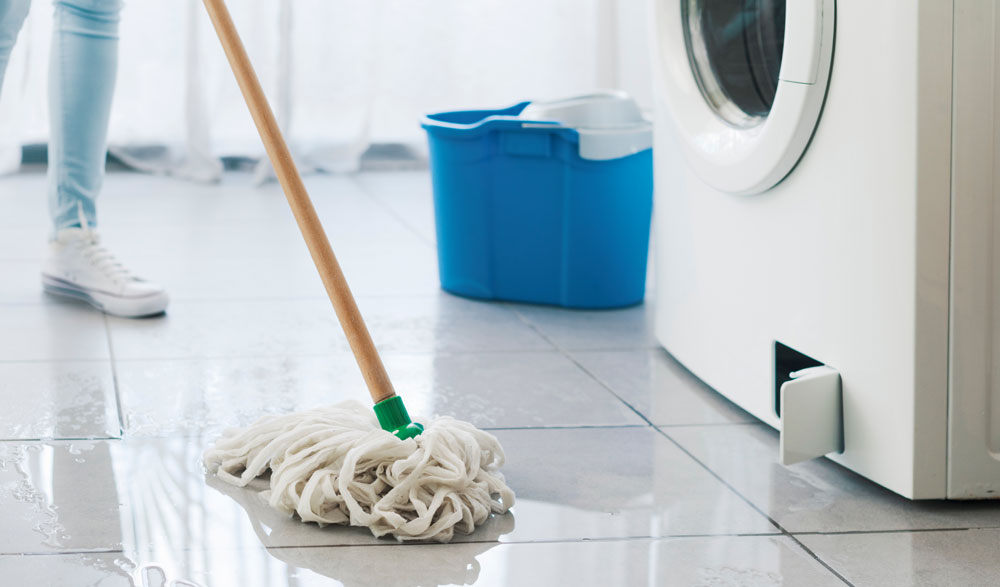
Water damage is one of the most common and costly problems homeowners face. Whether it’s caused by a burst pipe, a leaking appliance, heavy rain, or an unnoticed plumbing issue, water can quickly turn a small problem into a major repair project. Beyond the immediate mess, moisture can also lead to long-term structural issues and mold growth if it isn’t handled properly.
Understanding how water damage occurs—and what steps to take when it does—can help homeowners respond quickly and protect their property. With the right awareness and preparation, many issues can be minimized before they escalate.
Why Water Damage Happens More Often Than People Think
Many people assume water damage is only the result of major floods or storms, but everyday household issues are often the real culprit. Small leaks or unnoticed moisture can quietly damage walls, floors, and foundations over time.
Some of the most common causes include:
- Broken or leaking pipes
- Malfunctioning washing machines or dishwashers
- Roof leaks after storms
- Overflowing sinks, tubs, or toilets
- Clogged gutters or poor drainage around the home
- Water heater failures
Even a minor leak can cause serious damage if left untreated for days or weeks. Water seeps into building materials like drywall, wood, and insulation, weakening structures and creating the perfect environment for mold.
Early Warning Signs of Hidden Water Damage
The sooner water damage is identified, the easier it is to address. Unfortunately, not all damage is immediately visible. In many cases, moisture spreads behind walls or beneath flooring before homeowners notice something is wrong.
Here are a few warning signs to watch for:
- Musty or damp odors in certain areas of the home
- Discoloration or stains on ceilings and walls
- Peeling paint or bubbling wallpaper
- Warped flooring or baseboards
- Unexpected increases in water bills
- Soft spots in drywall or flooring
If any of these signs appear, it’s important to investigate quickly. Catching a problem early can prevent costly repairs later.
The Importance of Fast Action After Water Damage
When water damage occurs, time becomes one of the most important factors in limiting the impact. Moisture begins to affect materials almost immediately, and the longer water remains present, the more damage it can cause.
Within the first 24–48 hours, several problems may begin to develop:
- Wood materials may swell and warp
- Drywall can weaken and crumble
- Carpeting and insulation can trap moisture
- Mold spores may begin growing in damp areas
Professional restoration services are often necessary to remove water completely and ensure affected areas are properly dried. This typically involves industrial drying equipment, moisture detection tools, and sanitation procedures.
For homeowners researching professional solutions, resources such as Los Angeles water damage restoration services can provide insight into how trained specialists approach cleanup, drying, and property recovery after serious water incidents.
Key Steps in the Water Damage Restoration Process
Restoring a property after water damage involves much more than simply drying visible water. Professionals typically follow a structured process designed to fully eliminate moisture and prevent long-term problems.
1. Damage Assessment
Technicians first inspect the affected areas to determine the source of water and the extent of the damage. Moisture detection tools help locate hidden water behind walls, under floors, and inside insulation.
2. Water Extraction
Standing water is removed using high-powered pumps and extraction equipment. This step is critical for preventing further absorption into structural materials.
3. Drying and Dehumidification
After visible water is removed, industrial air movers and dehumidifiers are used to dry the space thoroughly. This process may take several days depending on the severity of the damage.
4. Cleaning and Sanitization
Water damage can introduce bacteria, contaminants, and odors. Affected materials are cleaned and sanitized to restore a safe living environment.
5. Restoration and Repairs
The final stage involves repairing damaged materials such as drywall, flooring, or cabinetry. In severe cases, reconstruction may be required to fully restore the home.
Prevention Strategies Every Homeowner Should Consider
While not all water damage can be prevented, there are several proactive steps homeowners can take to reduce risk.
Regular Home Maintenance
Routine inspections can help catch small issues before they turn into major problems. Pay attention to plumbing connections, appliance hoses, and areas around sinks and toilets.
Inspect the Roof and Gutters
A damaged roof or clogged gutters can allow rainwater to enter the home. Regular cleaning and inspection help ensure water flows away from the structure properly.
Monitor Water Pressure
Excessively high water pressure can strain plumbing systems and increase the likelihood of pipe failures.
Install Water Detection Devices
Smart leak detectors can alert homeowners to moisture in areas where leaks often occur, such as behind appliances or near water heaters.
Know Where the Main Water Shutoff Is
In the event of a pipe burst or major leak, shutting off the home’s water supply quickly can significantly reduce damage.
Why Professional Restoration Matters
Many homeowners initially attempt to handle water cleanup themselves. While small spills can be managed with basic drying methods, larger water incidents often require professional equipment and expertise.
Professionals use specialized moisture detection tools to locate hidden water pockets that ordinary inspections may miss. Without this step, trapped moisture can continue damaging building materials long after visible water is gone.
Additionally, proper drying and sanitation help prevent mold growth—a common complication that can arise after water exposure.
Final Thoughts
Water damage can happen unexpectedly, but preparation and fast response make a significant difference in how severe the outcome becomes. By recognizing early warning signs, maintaining plumbing systems, and responding quickly to leaks, homeowners can protect their property from extensive damage.
When larger incidents occur, understanding the restoration process helps ensure the problem is addressed thoroughly and safely. Taking water damage seriously from the start can save homeowners time, stress, and significant repair costs in the long run.