![HITV APP Download [Apk] Latest Version [Unlimited Movies]](https://hitvofficial.com/wp-content/uploads/2024/06/cropped-HiTV-Official-3.png)
Why Reliable Electrical Infrastructure Is Critical for Growing Businesses
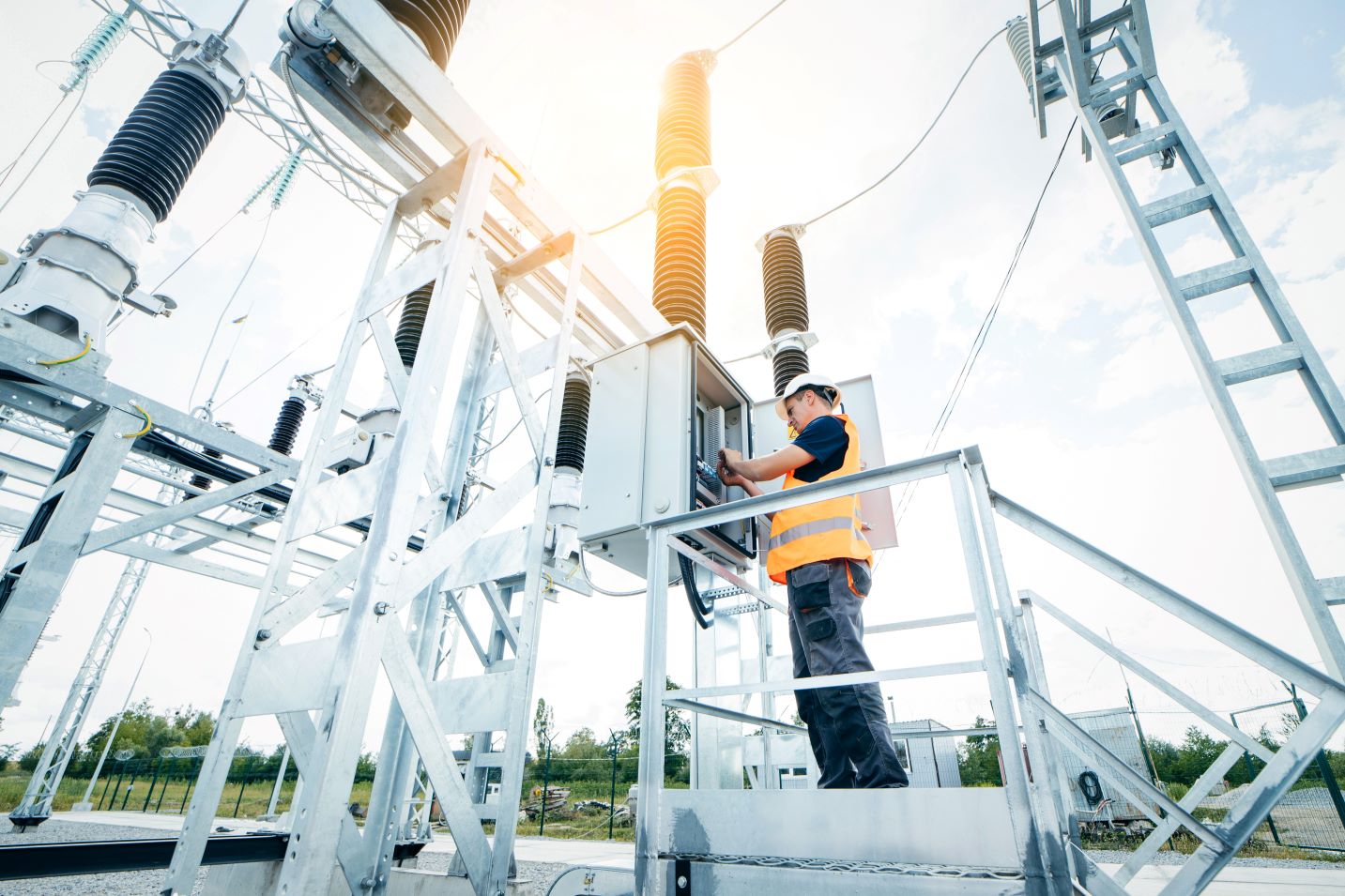
Every modern business relies on electricity—often more than owners realize. From powering essential equipment to keeping digital systems running smoothly, electrical infrastructure forms the backbone of daily operations. Yet many companies only think about their electrical systems when something goes wrong.
For growing organizations, especially those expanding their operations or upgrading their facilities, dependable electrical systems are not just a convenience—they are a necessity for safety, efficiency, and long-term scalability.
The Hidden Role Electrical Systems Play in Business Operations
Behind every successful workplace is a network of electrical components working together seamlessly. Lighting, climate control, security systems, data networks, and specialized equipment all depend on stable electrical distribution.
When these systems are poorly designed or outdated, businesses can experience issues such as:
- Unexpected power outages
- Equipment damage or reduced lifespan
- Increased energy consumption
- Safety hazards for employees and customers
- Costly operational downtime
These problems often arise because electrical infrastructure was originally installed for a different level of demand. As businesses grow and adopt more technology, their electrical needs evolve.
Why Commercial Electrical Work Is Different from Residential
Commercial buildings require far more complex electrical planning than residential properties. The scale, load requirements, and regulatory standards are significantly higher.
Some key differences include:
- Higher electrical loads – Commercial equipment and machinery require stronger electrical capacity.
- Complex distribution systems – Power must be delivered efficiently across large spaces.
- Advanced safety requirements – Commercial environments must meet strict electrical codes.
- Energy efficiency considerations – Businesses benefit from systems designed to minimize operational costs.
Because of these complexities, electrical planning should always be handled by experienced professionals who understand commercial environments.
Planning Electrical Systems for Business Growth
Many companies install electrical systems based only on their current needs. However, this approach can lead to expensive upgrades later when expansion occurs.
Forward-thinking electrical planning allows businesses to:
- Add new equipment without major rewiring
- Support future technology upgrades
- Maintain stable power across departments
- Improve energy efficiency over time
For example, a retail store might later add digital displays, security systems, and additional lighting. A warehouse may install automation equipment or charging stations for electric forklifts. Planning electrical capacity ahead of time prevents disruptive retrofits later.
Common Electrical Upgrades for Commercial Properties
Businesses frequently upgrade their electrical systems to support new technologies, improve safety, or reduce energy costs. Some of the most common improvements include the following.
Panel and Service Upgrades
Electrical panels control how power is distributed throughout a building. When panels become overloaded, they can cause breaker trips or power instability.
Upgrading electrical service ensures that businesses have sufficient capacity for modern operations.
Lighting System Improvements
Lighting upgrades are one of the easiest ways for companies to improve efficiency and reduce energy costs.
Popular upgrades include:
- LED lighting conversions
- Motion-activated lighting controls
- Smart lighting systems
- Exterior security lighting
Modern lighting solutions often consume significantly less energy while providing brighter and more consistent illumination.
Backup Power Systems
Power interruptions can bring operations to a complete halt. Backup generators and emergency power systems allow businesses to continue operating during outages.
This is especially critical for industries such as:
- Healthcare facilities
- Data centers
- Manufacturing plants
- Retail operations
Reliable backup power protects both revenue and customer trust.
The Importance of Electrical Safety in Commercial Spaces
Electrical safety is one of the most important aspects of building management. Faulty wiring or overloaded systems can create serious hazards.
Some common safety concerns include:
- Overheated wiring
- Outdated electrical panels
- Improper grounding
- Damaged outlets or connections
- Poorly maintained electrical equipment
Routine inspections and maintenance help identify potential issues before they become dangerous. Businesses that prioritize electrical safety not only protect their property but also ensure a safer environment for employees and customers.
Energy Efficiency and Sustainability
Energy efficiency has become a major focus for businesses seeking to reduce operational costs and meet sustainability goals.
Electrical upgrades can dramatically improve energy performance through:
- Smart energy monitoring systems
- High-efficiency lighting
- Power management technologies
- Automated building systems
These improvements not only lower utility bills but can also help organizations reduce their environmental footprint.
Companies operating in competitive markets increasingly view energy efficiency as both a financial and environmental advantage.
Choosing the Right Commercial Electrical Partner
Electrical work in commercial environments requires experience, precision, and knowledge of local codes. Partnering with qualified professionals ensures that installations and upgrades are done safely and correctly.
When evaluating electrical service providers, businesses should look for:
- Experience with commercial properties
- Knowledge of local building regulations
- Ability to handle complex electrical systems
- Strong safety standards
- Reliable communication and project management
Working with specialists who understand commercial environments can make a significant difference in the quality and longevity of electrical systems. Businesses looking to better understand professional solutions and project approaches can explore resources related to commercial electrical services in San Jose to see how experienced teams address the challenges of modern commercial electrical infrastructure.
Conclusion
Electricity powers every aspect of modern business operations, yet it often remains out of sight and out of mind until a problem occurs. Investing in reliable electrical infrastructure helps businesses avoid costly disruptions, maintain safety standards, and prepare for future growth.
From upgrading panels and lighting to implementing backup power systems and energy-efficient technologies, thoughtful electrical planning supports both immediate operational needs and long-term success.