![HITV APP Download [Apk] Latest Version [Unlimited Movies]](https://hitvofficial.com/wp-content/uploads/2024/06/cropped-HiTV-Official-3.png)
Shaping a Future-Proof SEO Strategy for Digital Brands
Key Takeaways
- Embrace AI advancements to enhance search visibility.
- Optimize for voice search to cater to changing user behaviors.
- Focus on high-quality, authoritative content to build trust.
- Leverage data-driven insights for informed decision-making.
- Ensure a seamless user experience across all platforms.
In the rapidly evolving digital landscape, maintaining a robust search engine optimization (SEO) strategy is essential for brands aiming to sustain visibility and relevance. As search algorithms and user behaviors continue to change, developing a resilient SEO approach becomes imperative. Partnering with a reputable seo backlink agency like Vazoola can significantly enhance your brand’s online presence. Vazoola specializes in providing high-quality backlinks and brand mentions, helping agencies and brands improve their search rankings and AI visibility.
Embracing AI Advancements
Artificial Intelligence (AI) is transforming how search engines interpret and rank content. Google’s Search Generative Experience (SGE) exemplifies this shift by delivering informative summaries directly in search results. To adapt, brands should integrate AI tools to analyze user intent and tailor content accordingly. This approach not only enhances relevance but also positions brands favorably in AI-driven search environments.
As AI algorithms become increasingly sophisticated, digital brands should consider investing in machine learning models that help predict search trends and audience needs. With AI’s ability to process vast amounts of data, marketers can uncover patterns and correlations that humans may overlook, leading to more targeted and effective SEO campaigns. These innovations can enhance link strategies, content recommendations, and audience segmentation, ultimately improving search rankings.
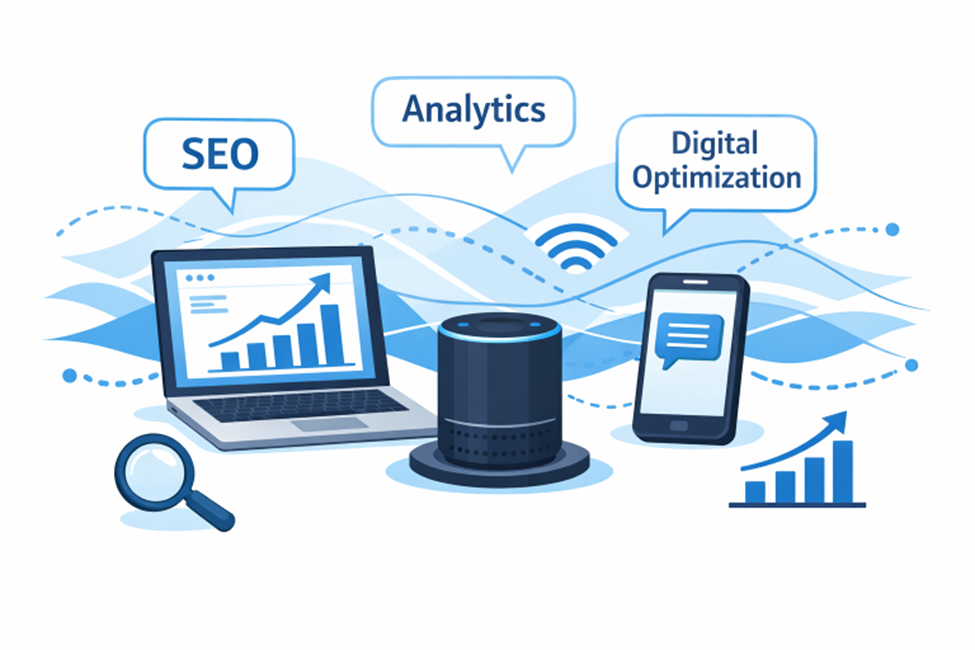
Optimizing for Voice Search
With the rise of voice-activated devices, optimizing for voice search is no longer optional. Voice queries often differ from text-based searches, tending to be more conversational and question-based. To capture this audience, incorporate natural language phrases and question-based keywords into your content. Additionally, ensuring your website loads quickly and is mobile-friendly will improve accessibility for voice search users.
Voice search optimization also means structuring your content for featured snippets and quick answers, as many voice queries depend on these concise, factual responses. Try using FAQ formats, bulleted lists, and structured data markup to increase the likelihood that your content will be selected by digital assistants, which often read out the featured content. This practice not only serves voice searchers but also helps your website stand out in traditional SERPs.
Focusing on High-Quality, Authoritative Content
Content remains king in SEO. Producing high-quality, authoritative content establishes trust and encourages engagement. This involves creating in-depth articles, guides, and resources that address your audience’s needs and questions. Regularly updating content to reflect current trends and information further solidifies your brand’s authority.
To ensure your content stands out, invest in thorough research and provide unique insights that add value beyond what competitors offer. Incorporate credible sources, cite industry experts, and use engaging visuals and infographics to boost readability and shareability. Consider repurposing high-performing blog posts into formats like podcasts, webinars, and videos to drive more traffic and expand your reach.
Leveraging Data-Driven Insights
Utilizing data analytics allows brands to understand user behavior, track performance, and make informed decisions. Tools like Google Analytics provide insights into which content resonates with your audience, enabling you to refine your strategy. By analyzing metrics such as bounce rates, session durations, and conversion rates, you can identify areas for improvement and optimize accordingly.
Advanced data tools can also segment audience demographics and behaviors, revealing new keyword opportunities or gaps in your content offerings. Investing in A/B testing for landing pages, titles, and call-to-actions can maximize conversion rates and further dial in what works best for your audience. As data sources expand, integrating cross-channel analytics (like linking Google Analytics with social media platforms) will paint a clearer picture of user journeys and digital touchpoints.
Ensuring a Seamless User Experience
User experience (UX) plays a significant role in SEO rankings. A well-structured, easy-to-navigate website encourages longer visits and reduces bounce rates. Key UX considerations include:
- Fast loading times
- Mobile responsiveness
- Clear and intuitive navigation
- Accessible design for all users
By prioritizing UX, brands not only enhance SEO performance but also foster positive user perceptions.
Consider conducting regular usability tests to understand how visitors interact with your site. Tools like heatmaps and user session recordings can uncover pain points and highlight areas needing improvement. Ensuring your site meets ADA (Americans with Disabilities Act) standards will also expand accessibility, protect your brand legally, and reflect a commitment to inclusivity, which search engines increasingly consider.
Integrating Digital PR Strategies
Digital Public Relations (PR) is becoming increasingly vital in SEO. Brand mentions across reputable platforms can significantly boost search visibility. Unlike traditional backlink strategies, digital PR focuses on building relationships and earning media coverage, which search engines interpret as indicators of credibility and relevance. Engaging in digital PR efforts ensures your brand remains prominent in both traditional and AI-driven search results.
To maximize impact, create newsworthy content such as research studies, thought leadership articles, or exclusive interviews that journalists and influencers will want to cite. Building strong relationships with journalists, bloggers, and relevant online communities can earn you high-quality mentions and editorial links that drive both referral traffic and improved domain authority. Digital PR also includes managing your brand’s online reputation by using monitoring tools and promptly engaging with relevant discussions and media requests.
Adapting to Semantic Search
Search engines are advancing beyond keyword matching to understand the context and intent behind queries—a concept known as semantic search. To align with this, create content that comprehensively covers topics, answers related questions, and uses related terms naturally. This holistic approach helps search engines recognize the depth and relevance of your content.
Structuring your content with topic clusters and pillar pages further supports semantic SEO. Internal linking between related pages demonstrates topical authority and helps search engines crawl and understand the relationships within your site. Incorporate schema markup to provide search engines with extra context about your pages, increasing the likelihood of rich result features.
Conclusion
Developing a future-proof SEO strategy requires a multifaceted approach that embraces technological advancements, prioritizes user experience, and delivers high-quality content. By staying adaptable and informed, digital brands can navigate the evolving SEO landscape and maintain a competitive edge.