![HITV APP Download [Apk] Latest Version [Unlimited Movies]](https://hitvofficial.com/wp-content/uploads/2024/06/cropped-HiTV-Official-3.png)
Everything You Need to Know About Letter Weights and Bulk Rate Postage Rates
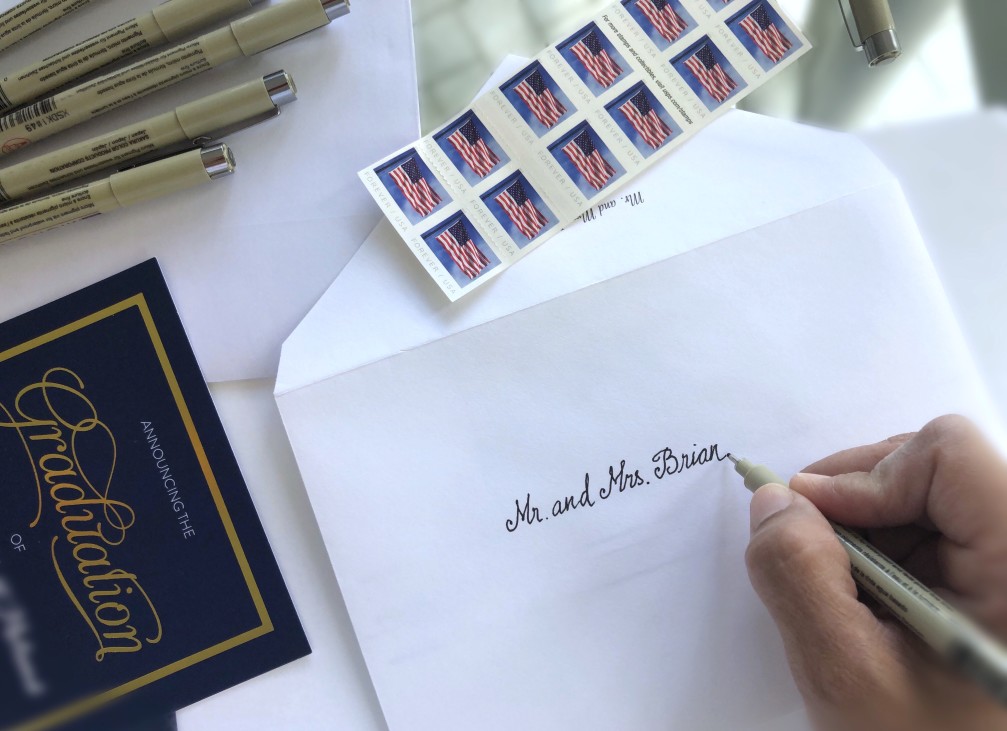
If you’ve ever stood at the post office counter, wondering if your letter needs extra postage or how much you can save by mailing in bulk, you’re not alone. From businesses managing large mail campaigns to everyday people sending personal letters, understanding the weight of a letter and the cost savings of bulk mailing is essential.
In this blog, we’ll break down how much a standard letter weighs, why it matters for postage, and how bulk rate postage rates can help businesses save significantly on mailing costs. We’ll cover the basics, explain why these details matter, and give you practical tips to navigate your mailing needs smoothly.
Why Does Letter Weight Matter?
When it comes to mailing letters, weight is a critical factor. USPS, Canada Post, and other postal services base their rates largely on how much your mailpiece weighs. Even a small increase in weight can bump your letter into a higher price bracket.
For example, a standard 1-ounce letter may require just one First-Class stamp, but if you go over the weight limit, you’ll need to add additional postage. This can add up quickly, especially if you’re sending out dozens or hundreds of letters.
Understanding the standard weight for letters helps avoid underpaying (which could result in your mail being returned) or overpaying unnecessarily.
So, How Much Does a Standard Letter Weigh?
Most standard letters, such as business correspondence, invoices, or personal notes, fall within the 1-ounce category. But what exactly does that mean?
👉 How much does a standard letter weigh? Typically, it’s about 0.16 ounces per sheet of paper (standard 20 lb bond paper) and about 0.2–0.3 ounces for a standard #10 envelope. That means a single-sheet letter with a basic envelope usually weighs under 1 ounce, keeping it within the First-Class mail rate.
However, as soon as you start adding inserts like brochures, multiple pages, or heavier paper stock, you can easily exceed that 1-ounce limit. Here’s a quick reference:
| Item | Approximate Weight |
| Standard #10 envelope (business) | 0.2 – 0.3 oz |
| One sheet of 20 lb bond paper | 0.16 oz |
| Two sheets of paper | ~0.32 oz |
| Three sheets of paper + envelope | ~0.8 oz |
| Four sheets or more | Likely over 1 oz |
It’s always smart to weigh your envelope if you’re uncertain. A small digital postal scale can save you from guessing — and from wasting money on unnecessary extra stamps.
What Happens If Your Letter Is Overweight?
If your letter exceeds the 1-ounce limit for First-Class Mail, you must pay for the extra weight. USPS, for example, charges an additional fee per ounce. Here’s a quick look at how it works:
- 1 oz letter = standard First-Class stamp ($0.68 as of 2024)
- 2 oz letter = $0.68 + $0.24 extra ounce fee
- 3 oz letter = $0.68 + (2 x $0.24) = $1.16 total
For small mailers, this might seem minor. But if you’re mailing 1,000 pieces, even an extra $0.24 per letter adds up to $240!
What Is Bulk Mailing and Why Should You Care?
If you’re running a business, nonprofit, or organization that sends large volumes of mail, individual postage adds up fast. That’s where bulk mailing comes in.
Bulk mailing, also called Marketing Mail or Commercial Mail, allows businesses to send large batches of mail at discounted rates. Instead of paying full First-Class rates, you qualify for bulk discounts by preparing and sorting your mail in specific ways.
But how much can you save?
Understanding Bulk Rate Postage Rates
👉 Bulk rate postage rates vary depending on the type of mail, destination, and volume. Generally, USPS offers lower rates for:
- Marketing Mail (formerly Standard Mail): Designed for advertisements, flyers, newsletters, and catalogs.
- Presorted First-Class Mail: For businesses sending statements, invoices, or other time-sensitive documents.
- Nonprofit Mail: Discounted rates specifically for registered nonprofit organizations.
To qualify for bulk rates, you typically need:
✅ A minimum quantity of mailpieces (e.g., 200 pieces or 50 lbs for USPS Marketing Mail)
✅ Proper barcoding and address accuracy
✅ Sorting mail by ZIP code
✅ A mailing permit and an account with USPS or a mailing service
By following these steps, businesses can access discounts of up to 30–50% compared to regular First-Class rates.
How Much Can You Really Save?
Let’s break it down:
| Mail Type | Approx. Rate (Per Piece) | Minimum Volume |
| First-Class (single letter) | $0.68 | No minimum |
| First-Class Presorted (bulk) | ~$0.51 | 500 pieces |
| Marketing Mail (bulk) | ~$0.30–$0.35 | 200 pieces |
For businesses sending thousands of mailpieces per month, these savings are huge. Mailing 5,000 pieces at $0.68 each costs $3,400, but using Marketing Mail at $0.32 each brings it down to $1,600 — a savings of $1,800!
Tips to Optimize Your Mailing
Here are a few pro tips to maximize your savings and avoid postage headaches:
✅ Know your weights upfront. Weigh your mail before purchasing postage. Even tiny differences matter.
✅ Use presorting and automation software. These tools help you organize mail by ZIP code, apply barcodes, and meet postal requirements.
✅ Consider design choices. Thinner paper, lighter inserts, or folding larger sheets can help keep mail under weight limits.
✅ Consult a mailing expert. Working with a mail service provider can simplify bulk mailings, ensuring you meet all USPS requirements and access the best rates.
Common Pitfalls to Avoid
Many mailers make small mistakes that cost big money:
Underpaying postage. If your letter weighs more than 1 ounce but you use only one stamp, it may be returned or delivered with postage due.
Overpaying on small batches. Bulk rates only apply when you meet minimum thresholds. For small batches, you may actually lose money if you try to use bulk mail without qualifying.
Ignoring address quality. Bulk mail discounts require a certain level of address accuracy and barcode sorting. Bad data can result in penalties or rejected mail.
Final Thoughts
Understanding how much a standard letter weighs and how to access bulk rate postage rates is key for anyone managing mail, whether personal or professional. Knowing the weight of your letter ensures you pay the correct postage, while tapping into bulk discounts can save businesses thousands on high-volume mailings.
As postal rates continue to change, staying informed can help you avoid waste, stay compliant, and make the most of every dollar spent on mail. Whether you’re a small business, a large organization, or just someone curious about postage, knowing these basics gives you an edge.
If you want more insights or tools to help automate your mailing process, check out the linked resources above — they’re packed with helpful details!